
Blog - Mrudul Hearing Aid Centre
The Science Behind Hearing: How We Hear and What Can Go Wrong
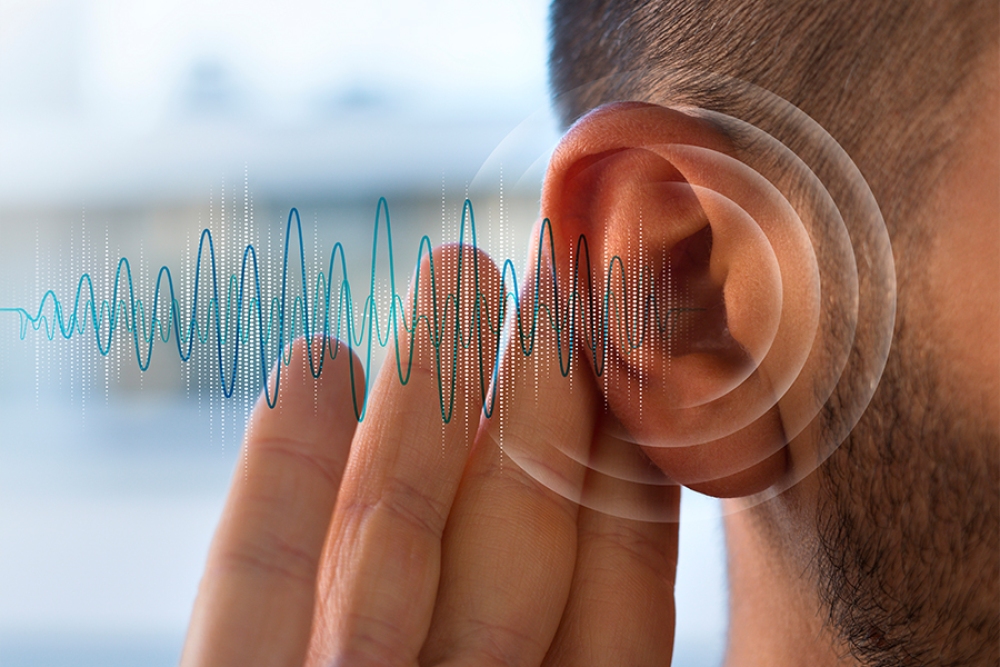
Hearing is a complex process that involves converting sound waves into electrical signals that the brain can understand. It starts with the outer ear, which captures sound and channels it through the ear canal to the eardrum. Vibrations from the eardrum are transferred via three small bones in the middle ear—the malleus, incus, and stapes.
These vibrations then reach the cochlea, a spiral-shaped structure in the inner ear filled with fluid and tiny hair cells. As the fluid moves, it stimulates these hair cells, which sends electrical signals via the auditory nerve to the brain, where they are interpreted as sound.
Sometimes, problems can happen in any part of this system. These can cause hearing loss.
Here are some common causes:
• Earwax blockage – sound gets blocked
• Ear infections – cause swelling or fluid buildup
• Hole in the eardrum – affects sound movement
• Inner ear damage – often from aging or loud noise
• Auditory nerve damage – signal doesn’t reach the brain
• Birth conditions – some people are born with hearing problems
These issues may lead to mild, moderate, or even severe hearing loss
Hearing loss is more common than people think. But the good news is, it can often be helped with hearing aids or medical treatments. If you or someone close to you finds it hard to hear clearly, the best first step is getting a hearing test.
Hearing connects us to people, emotions, and the world. Don’t ignore the signs as most hearing problems are treatable.
A simple test can change your life.
Hear better. Live better. Start today.